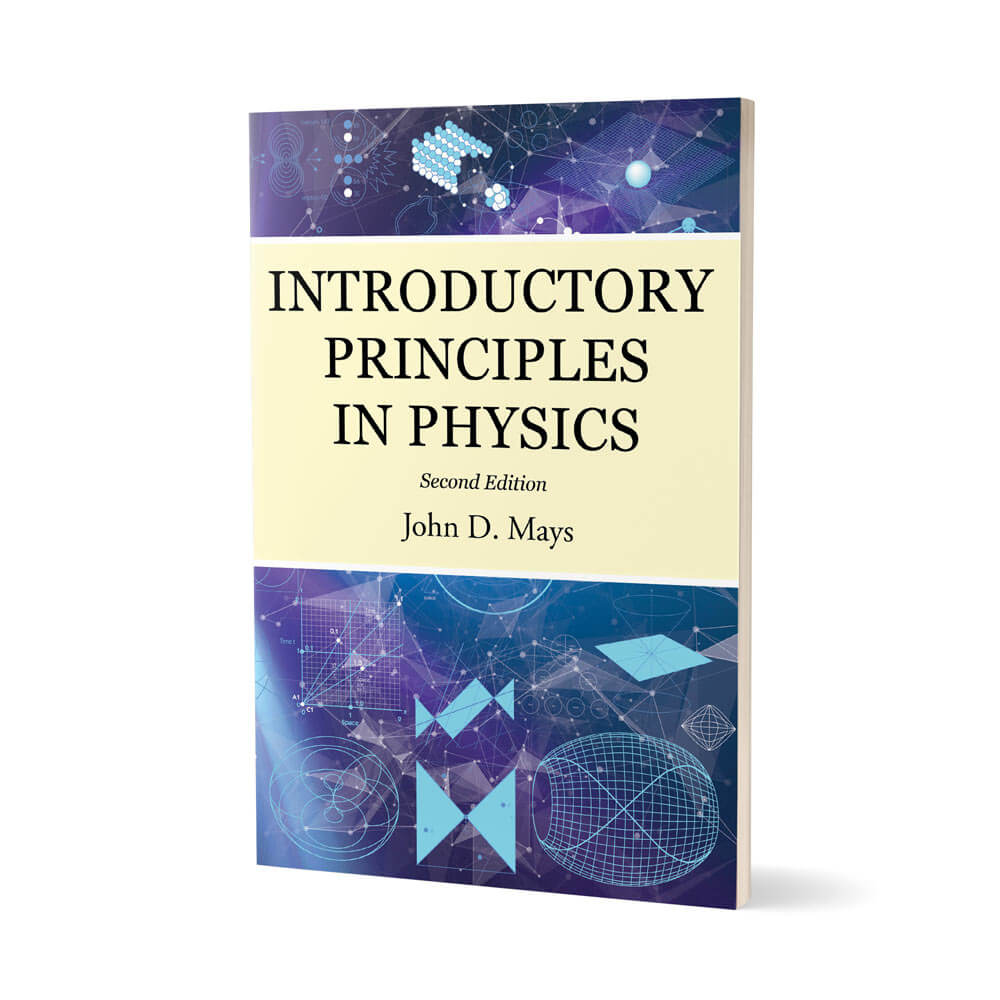
Introductory Principles in Physics, 2nd Edition

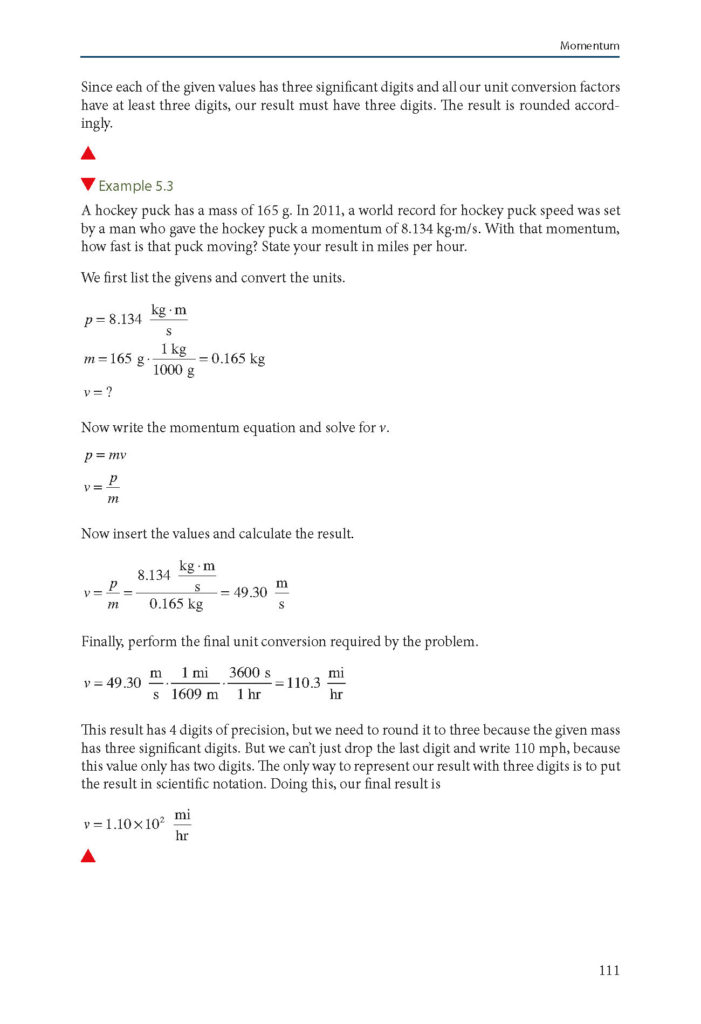
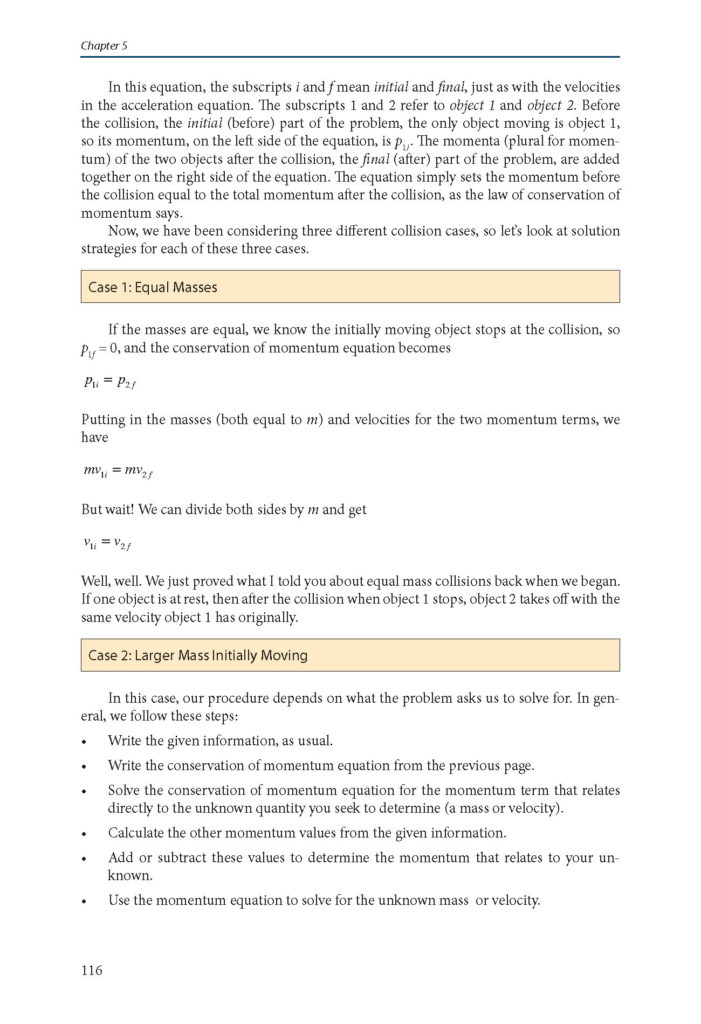
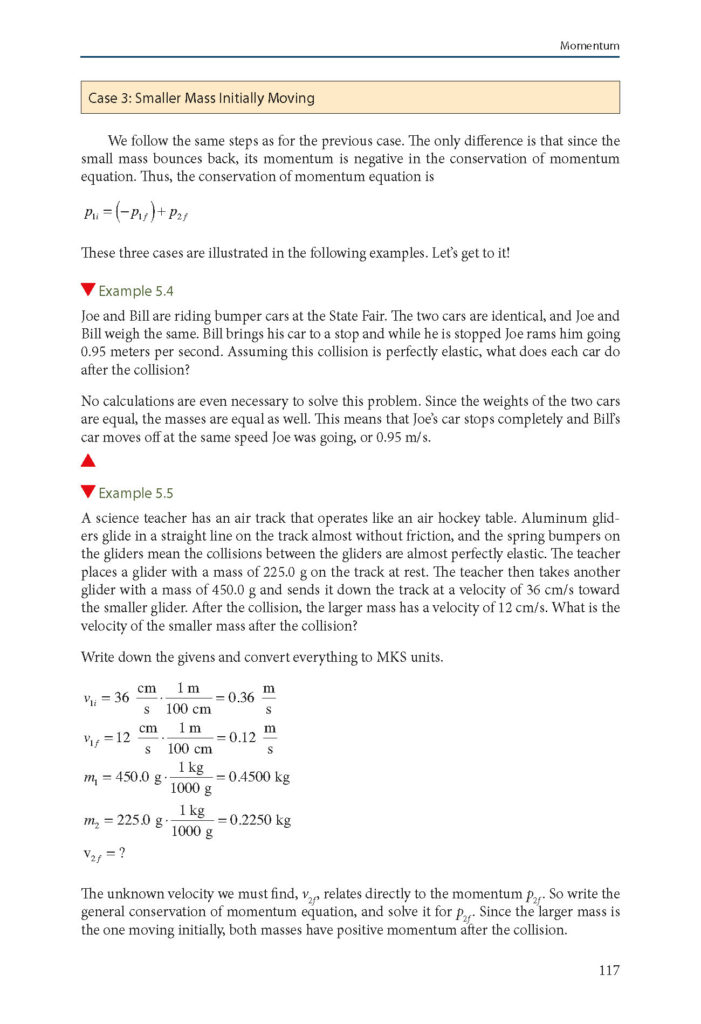
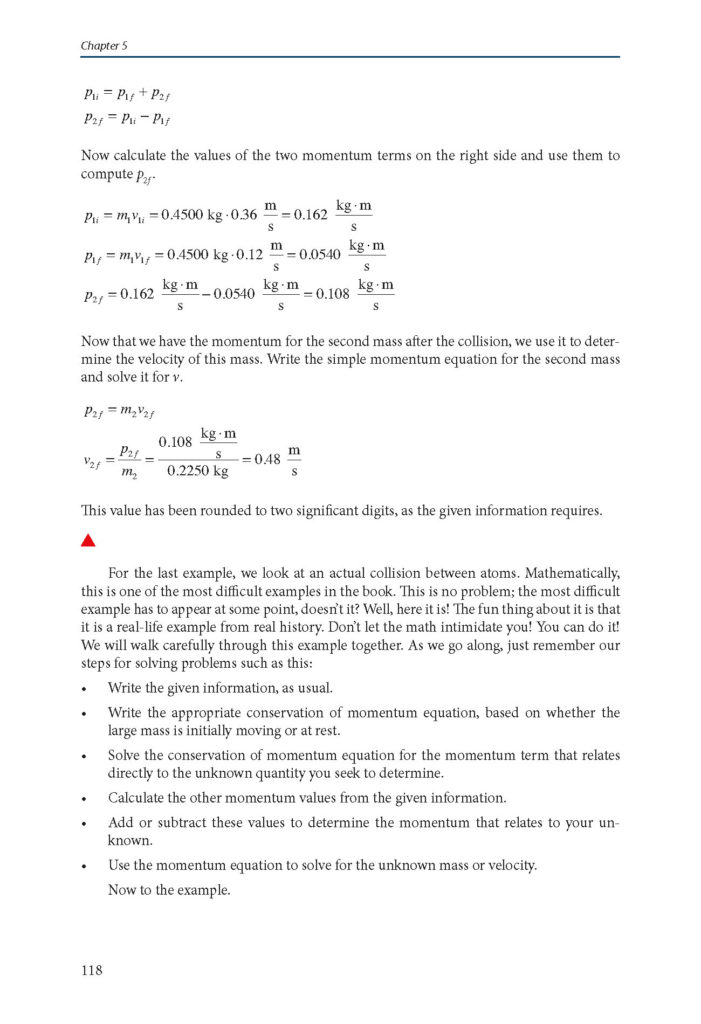
Made for standard track 9th to 11th grade students, Introductory Principles in Physics incorporates math, history, technical communication and even a little philosophy. Beautiful graphics and lucid text are included in this modestly-sized volume that students will appreciate.

ISBN 978-0-9972845-8-4

SKU: 2214 Category:

Description

** Note: This book is produced by print-on-demand service and may take 2-4 weeks to ship.

View Errata | View Tips and Tools

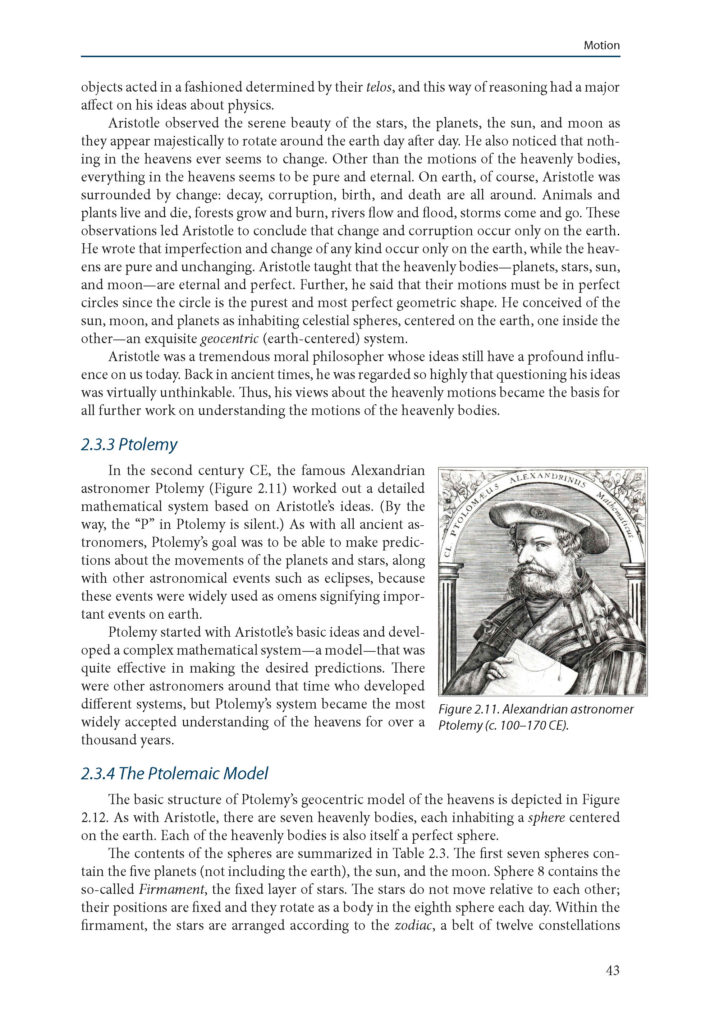
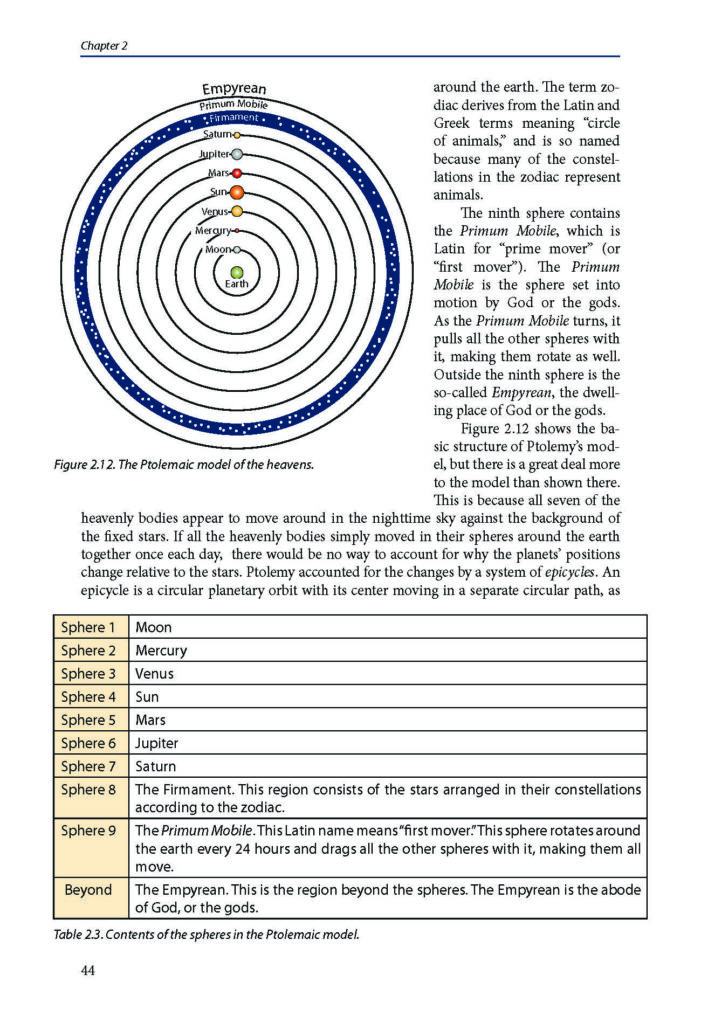
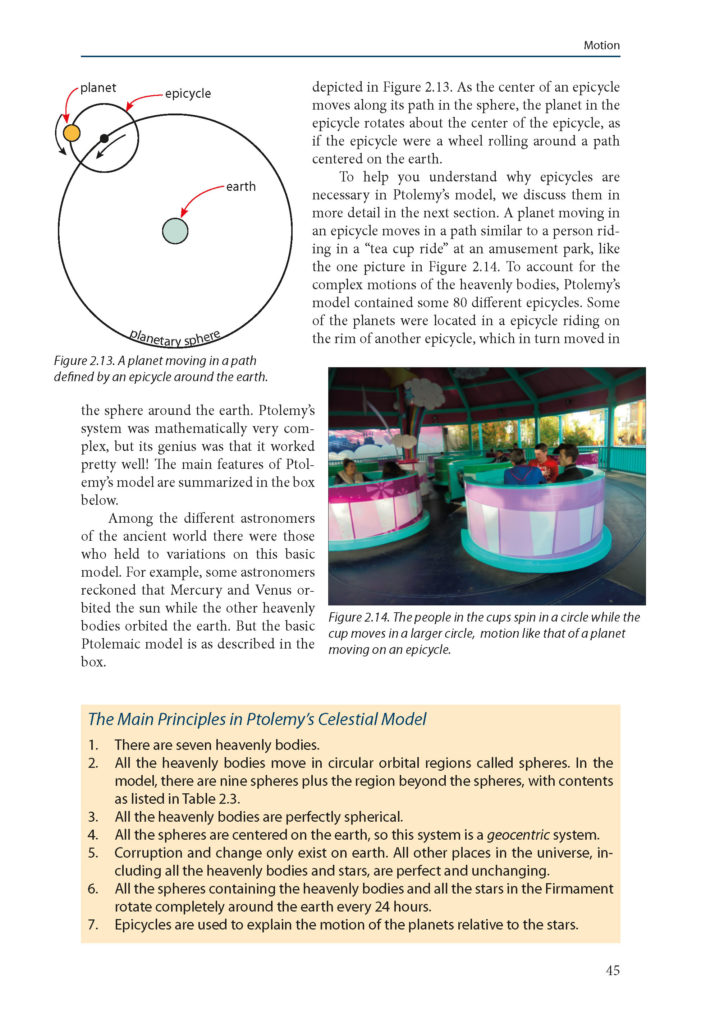
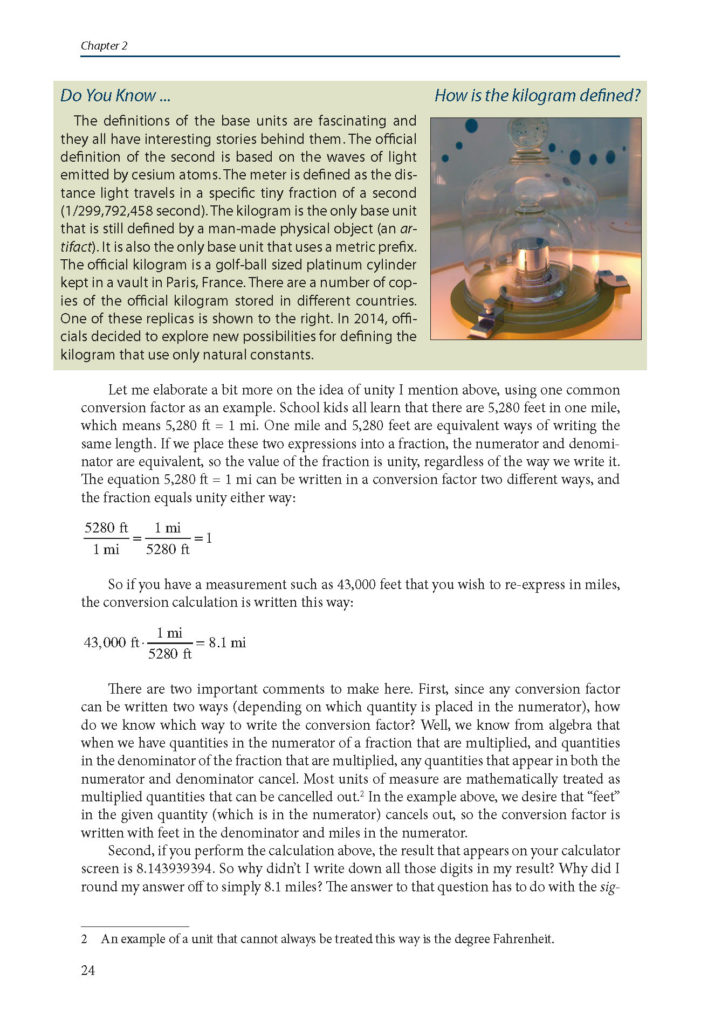
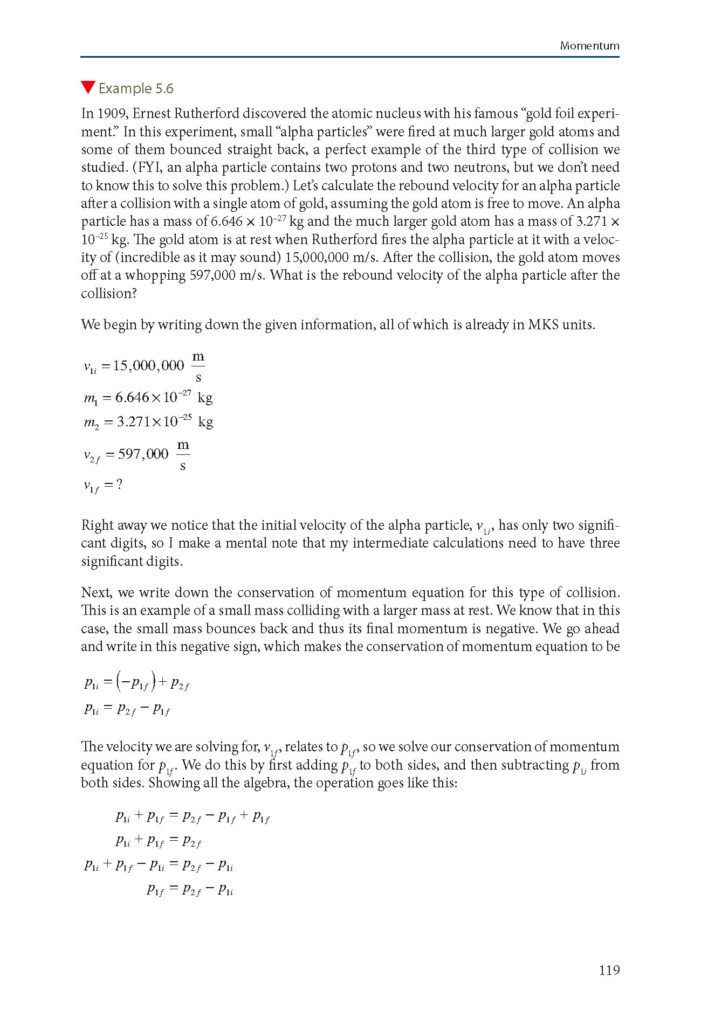
Introductory Principles in Physics (IPP), 2nd edition is an outstanding, STEM-strong, mastery-based physics text ideal for 9-11th grade. While Centripetal Press advocates the advantages of the “physics first” high school science sequence, IPP is suitable for use in any 9-11th grade context.

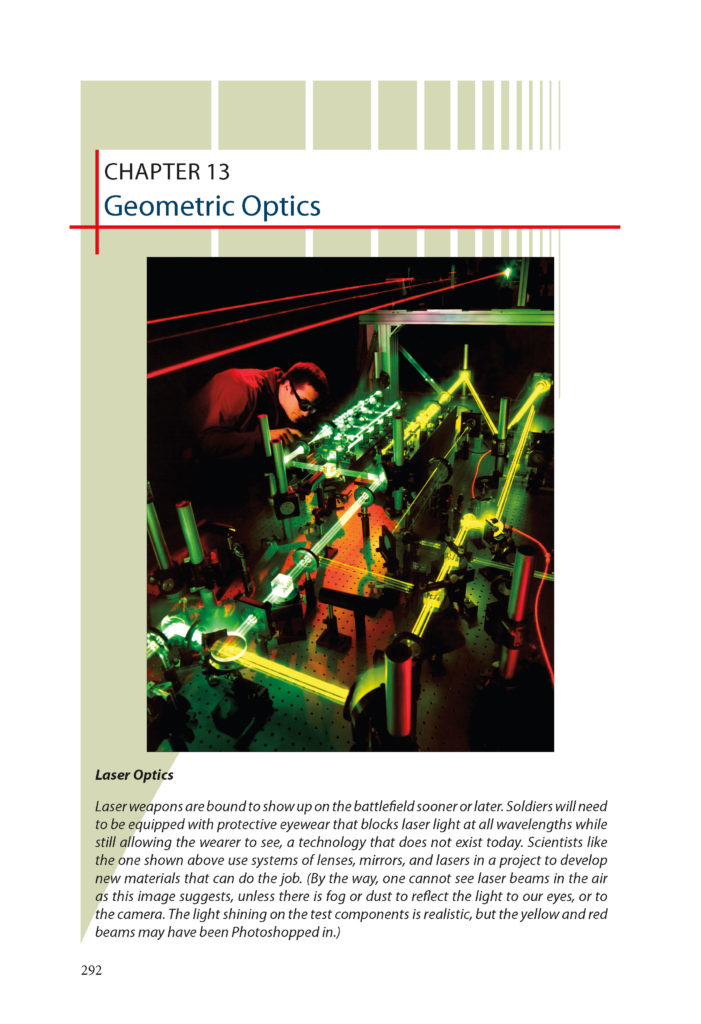
IPP contains two optional chapters — Buoyancy and Pressure and Geometric Optics —that contain more challenging concepts and mathematical application for use in an upper grade classroom or homeschool.

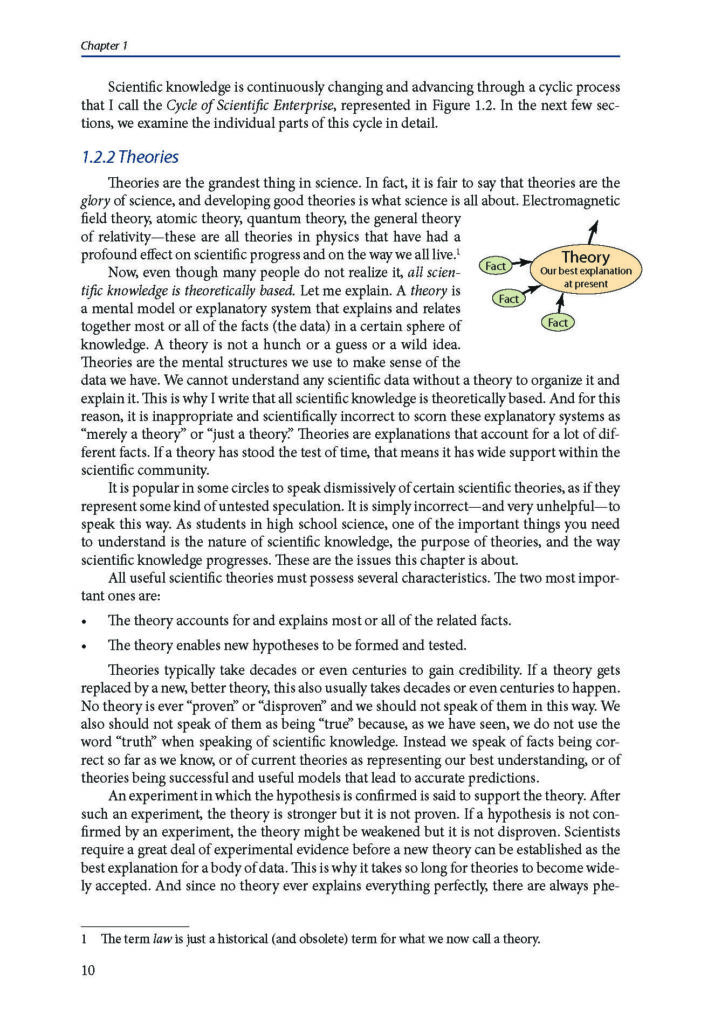
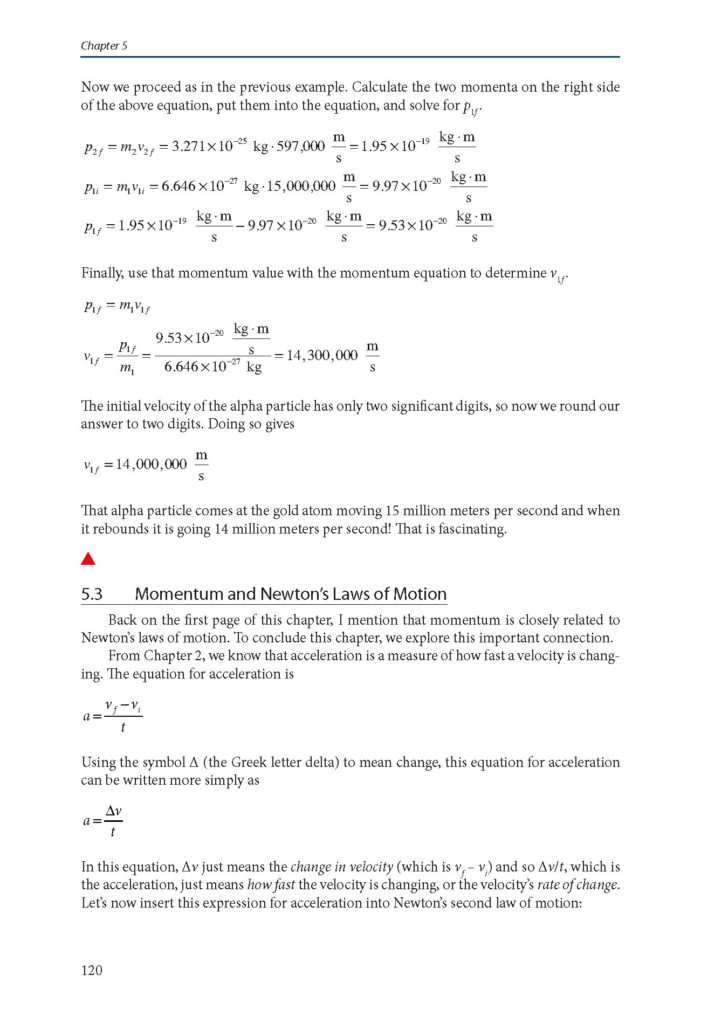
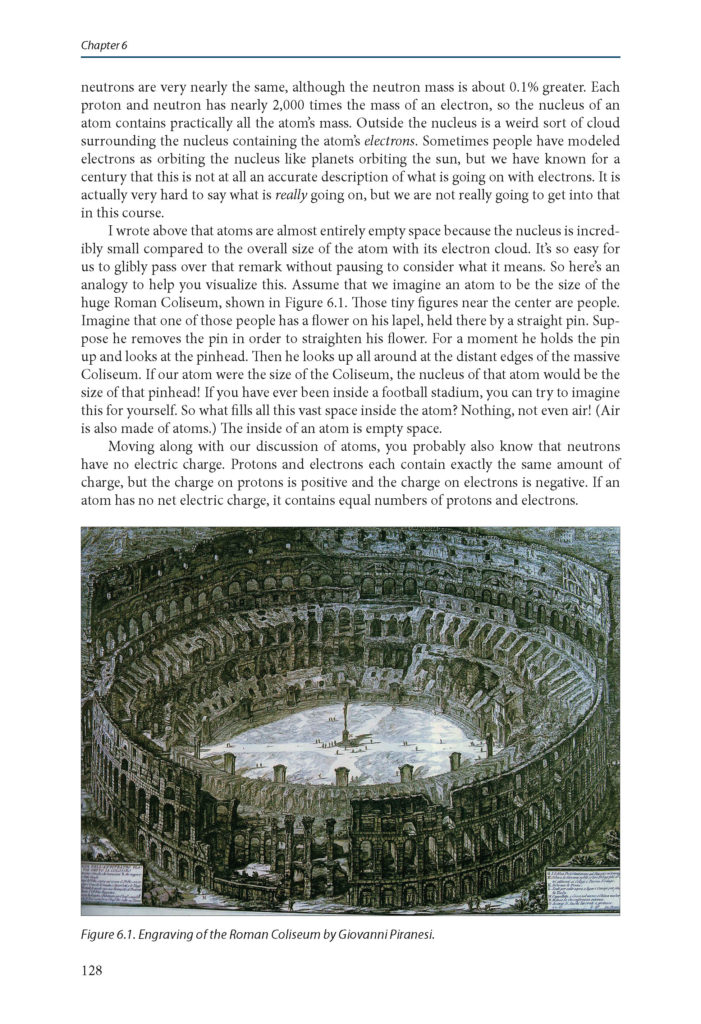
Like all Centripetal texts, IPP includes an intentional integration of related subjects along with the physics: mathematics, history of science, written and verbal communication, tie-ins to humanities, and even a little bit of epistemology (philosophy of knowledge). For this reason, the book is a favorite among humanities-based, STEM-focused, Classical-model schools, or any school that simply wants an enriching, effective learning tool for high school physics.

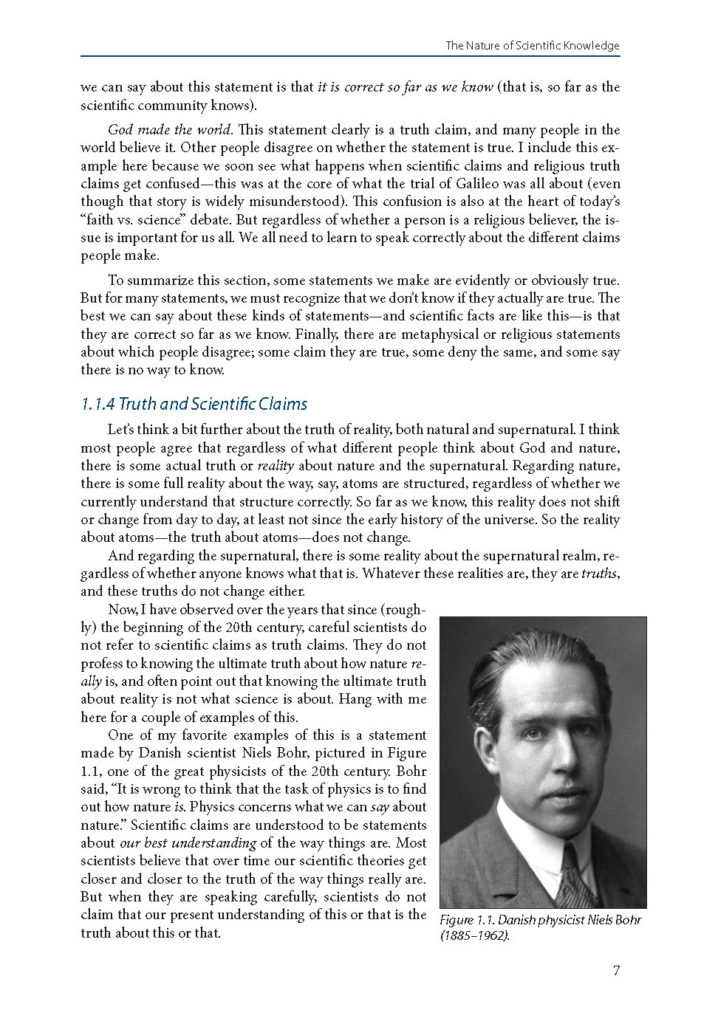
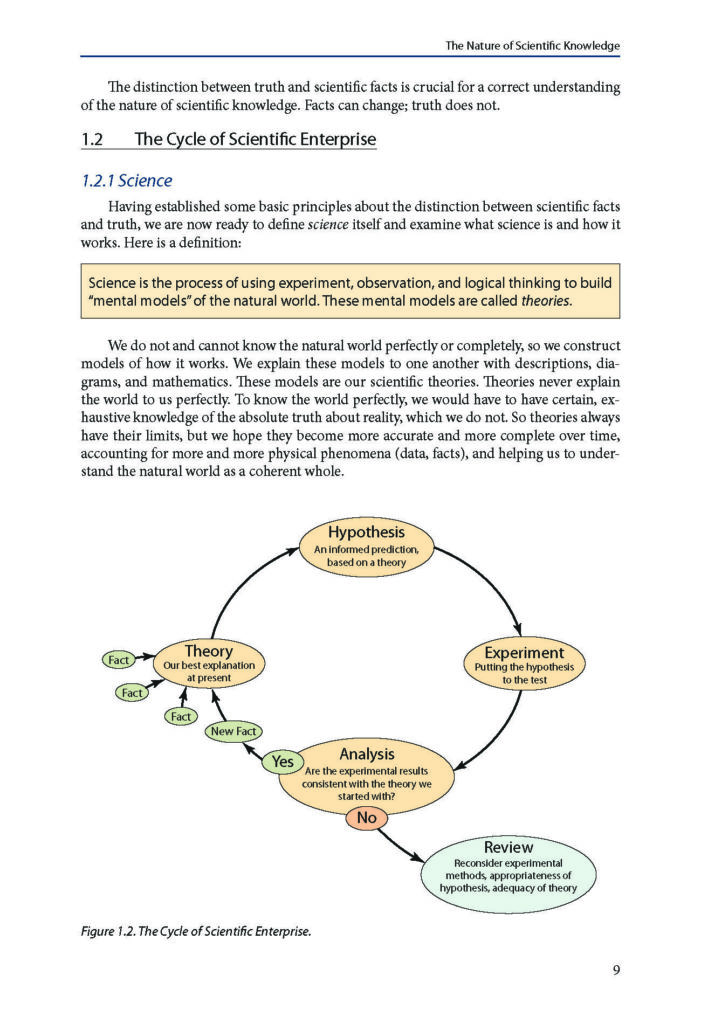
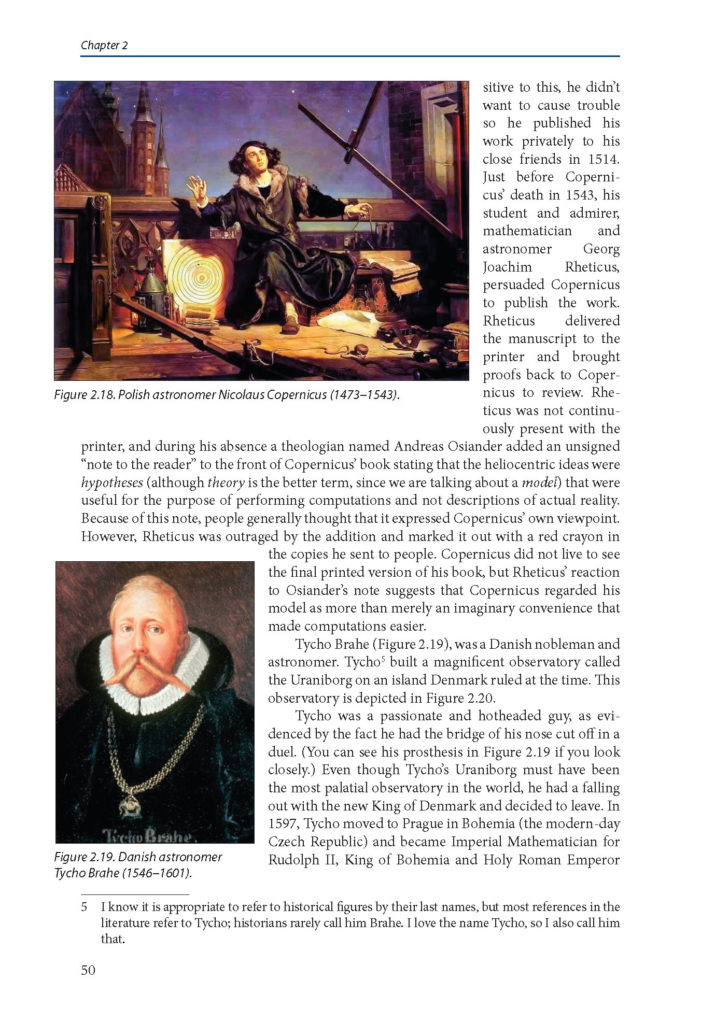
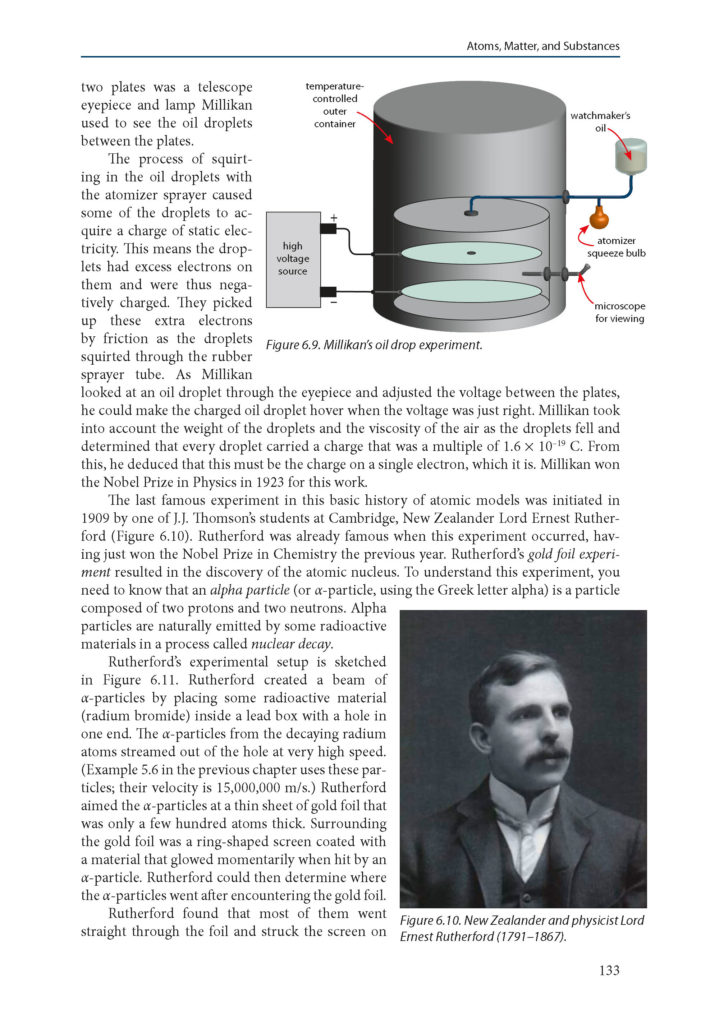
In discussions of Newton’s 3 Laws of Motion, how can you leave out some historical background about Newton? Can anyone have a meaningful perspective on the Cycle of Scientific Enterprise without an (accurate) understanding of the trial of Galileo? Goethe famously said “the history of science IS science.” Understanding science is much more than knowing scientific facts.

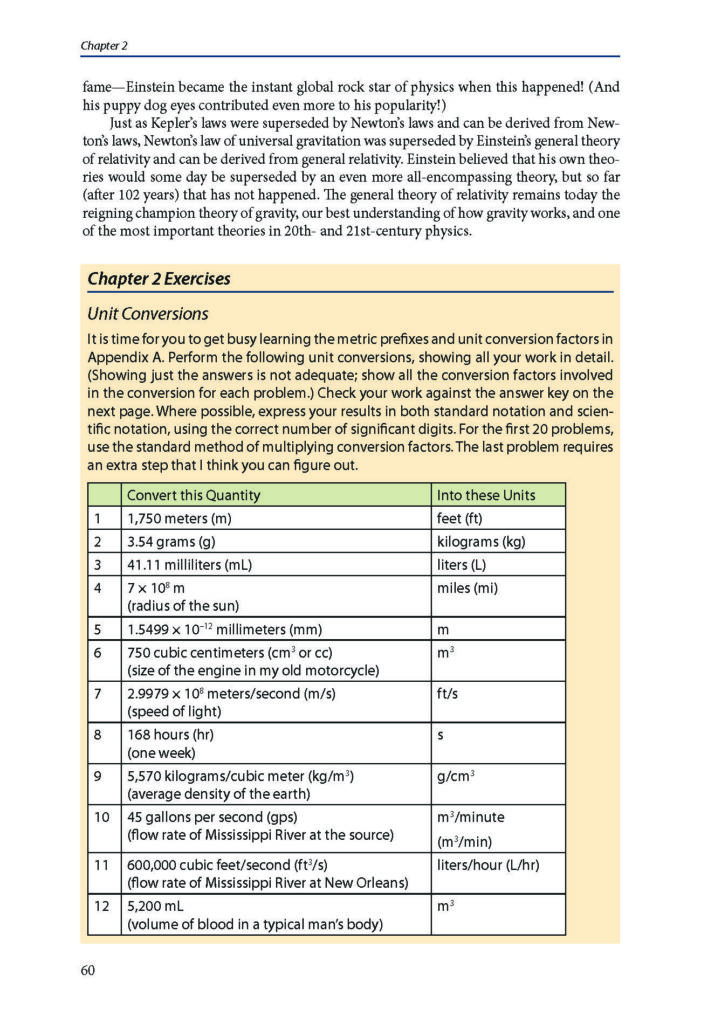
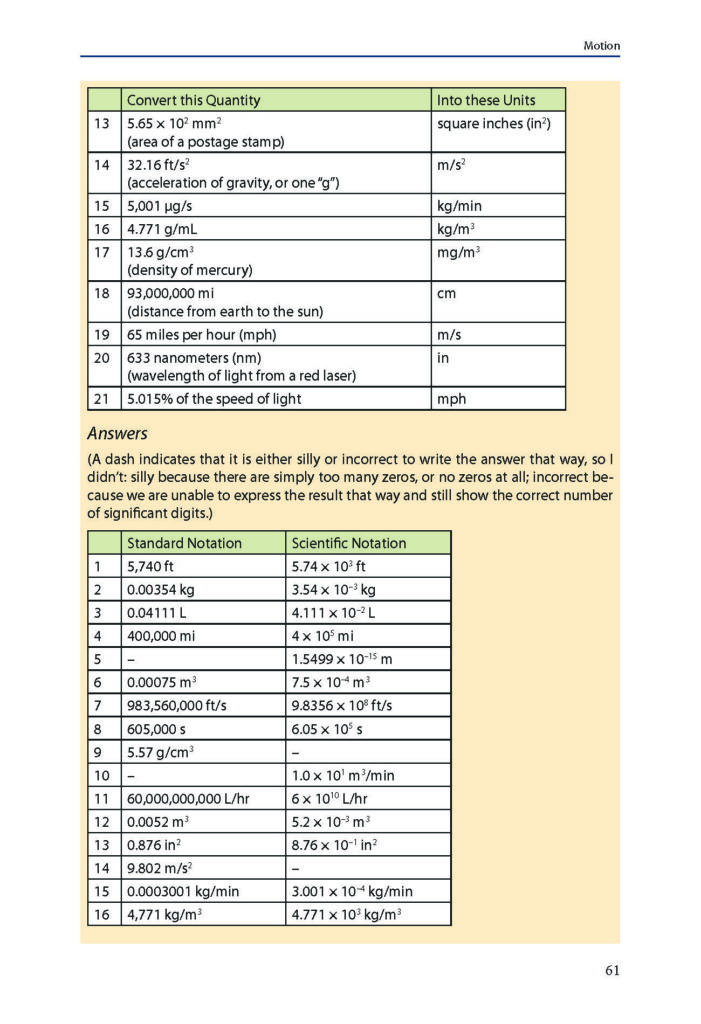
How hard is the math? We urge that students be at least enrolled concurrently in Algebra I. Exercises that call for basic algebra math skills push students to think critically to apply concepts from the text in real-world situations utilizing skills cumulatively from previous chapters in the book.

Did you notice the smaller size of the text? Don’t be fooled. This is a full physics course that counts a full science credit. In fact, if our mastery-learning paradigm is followed, students will know physics better at the end of the course than with any other method.

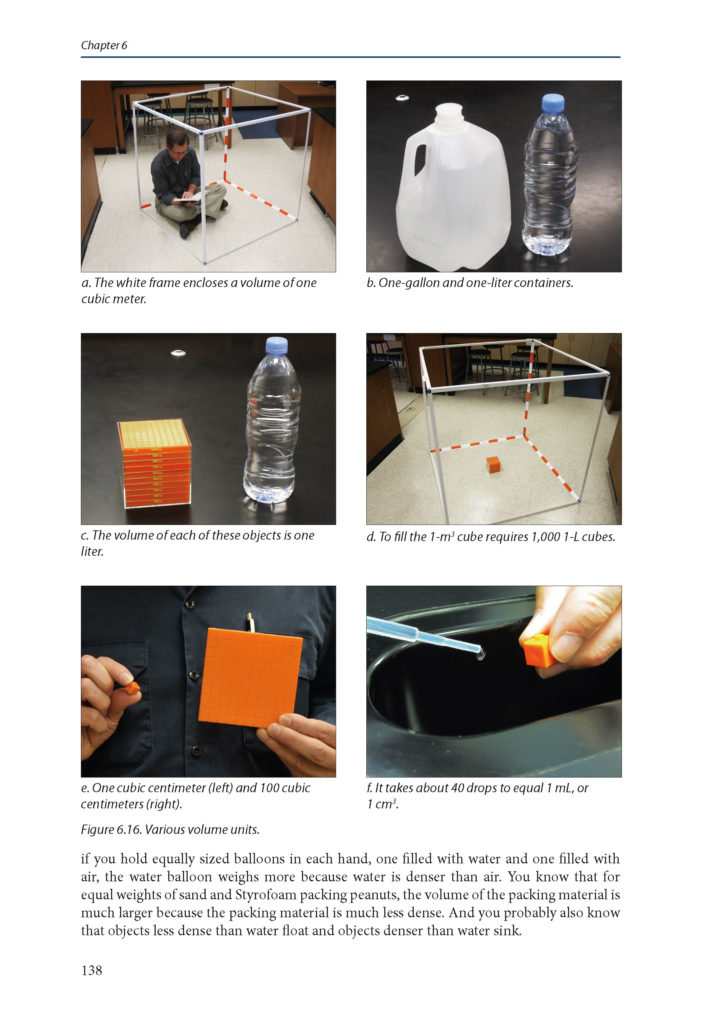
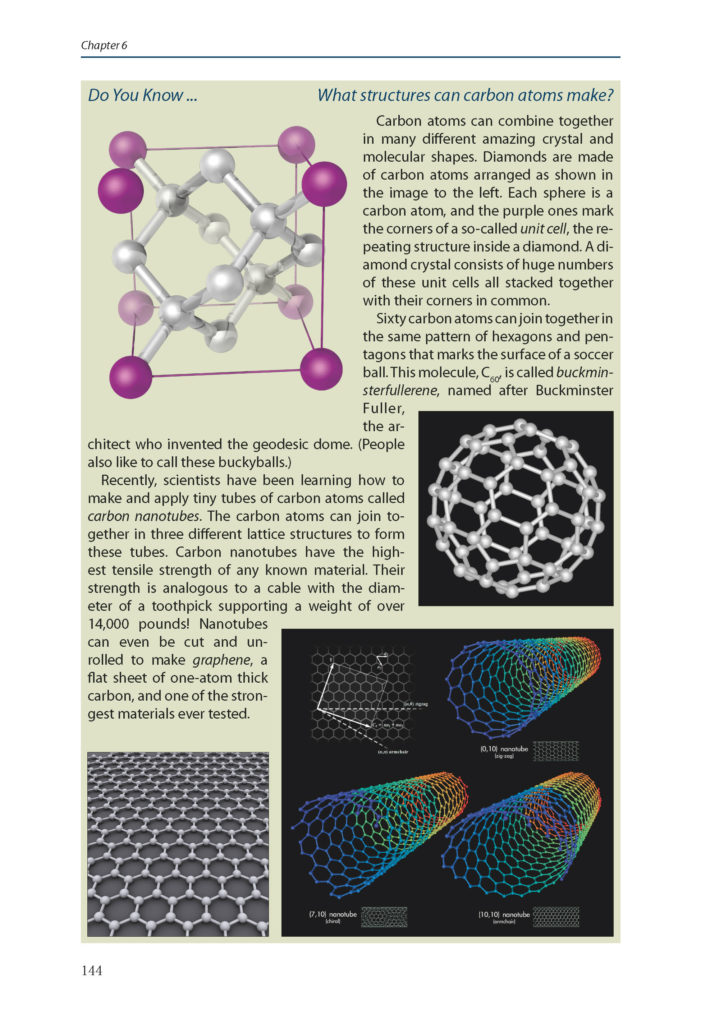
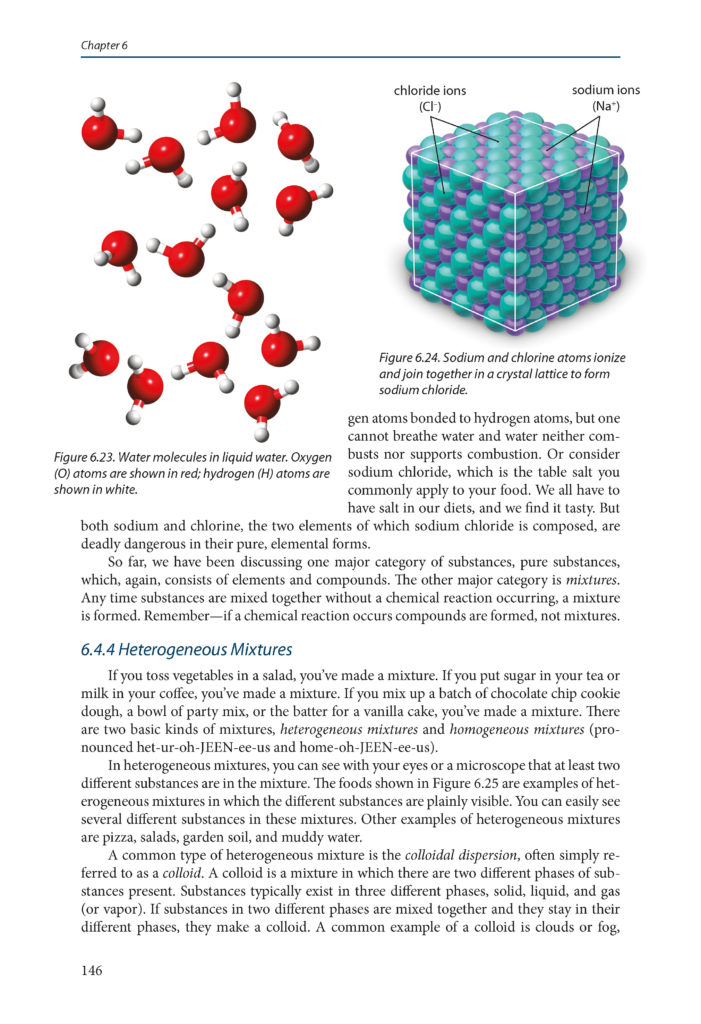
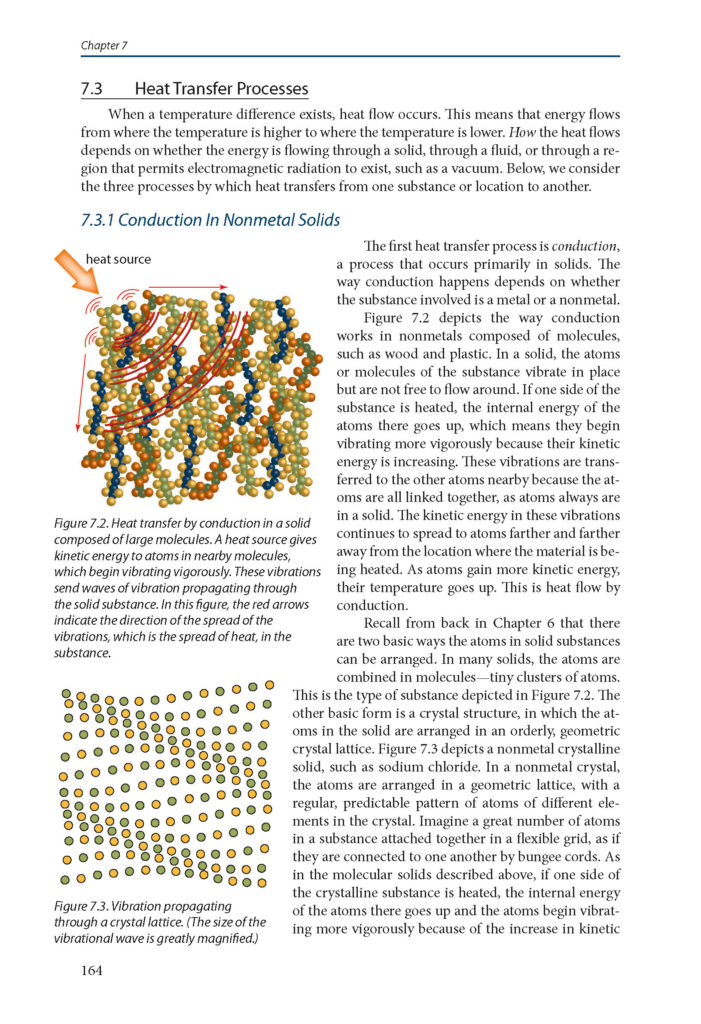
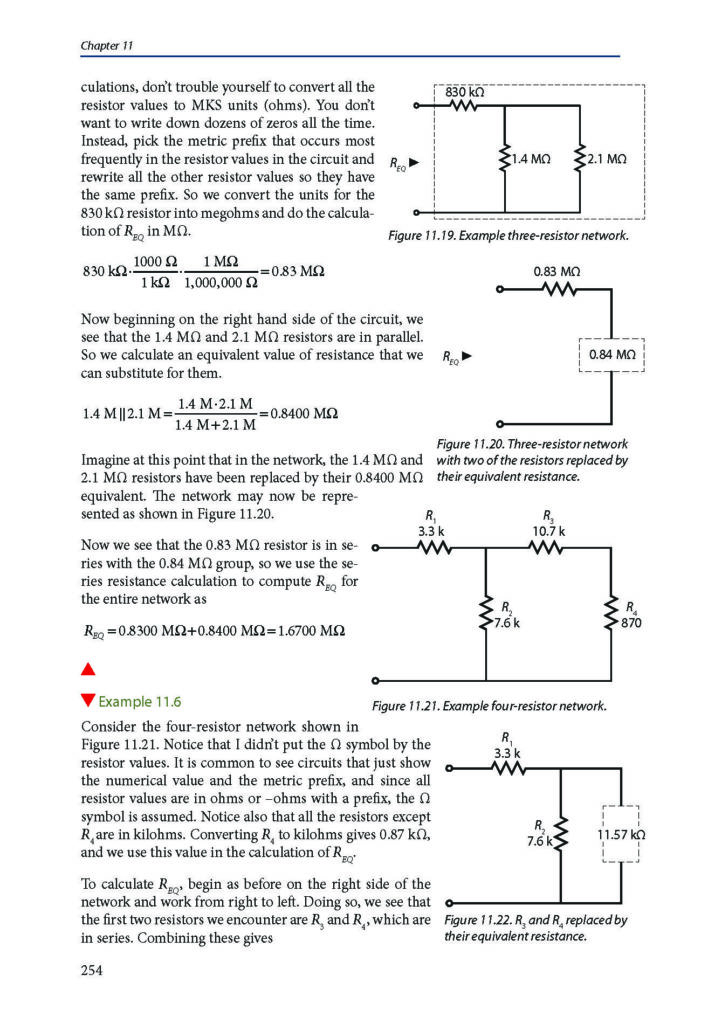
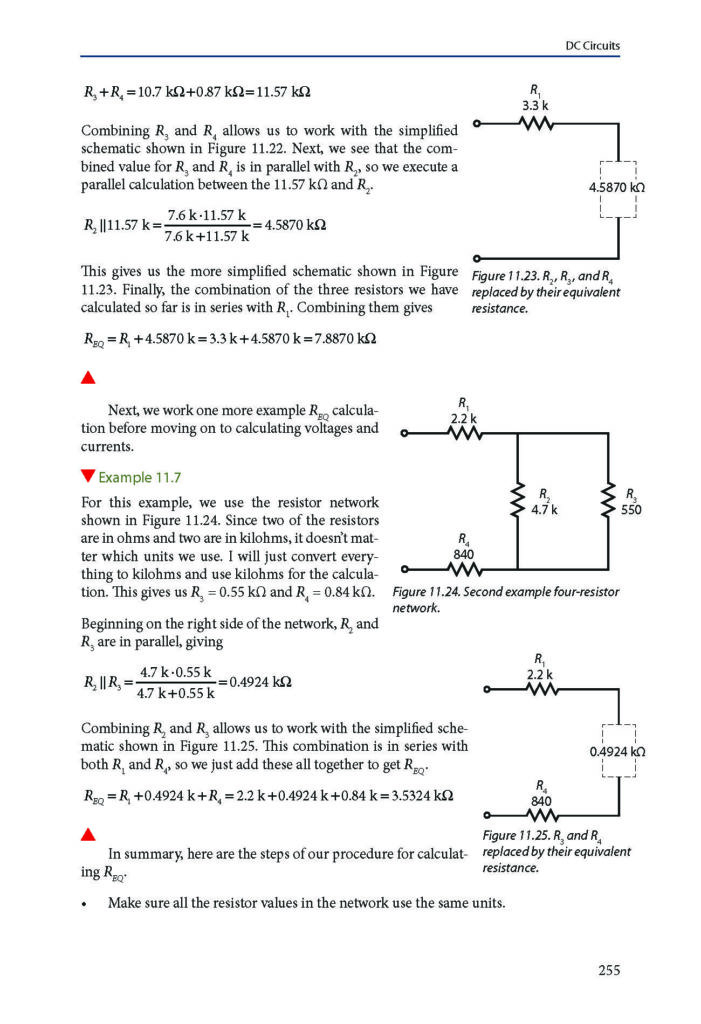
model of the crystalline structure of moleculesIn every text, Centripetal Press strives to foster the wonder of exploring the natural world that should accompany any scientific endeavor. Each chapter exercise and calculation problem is carefully designed to effect real science learning and assimilation.

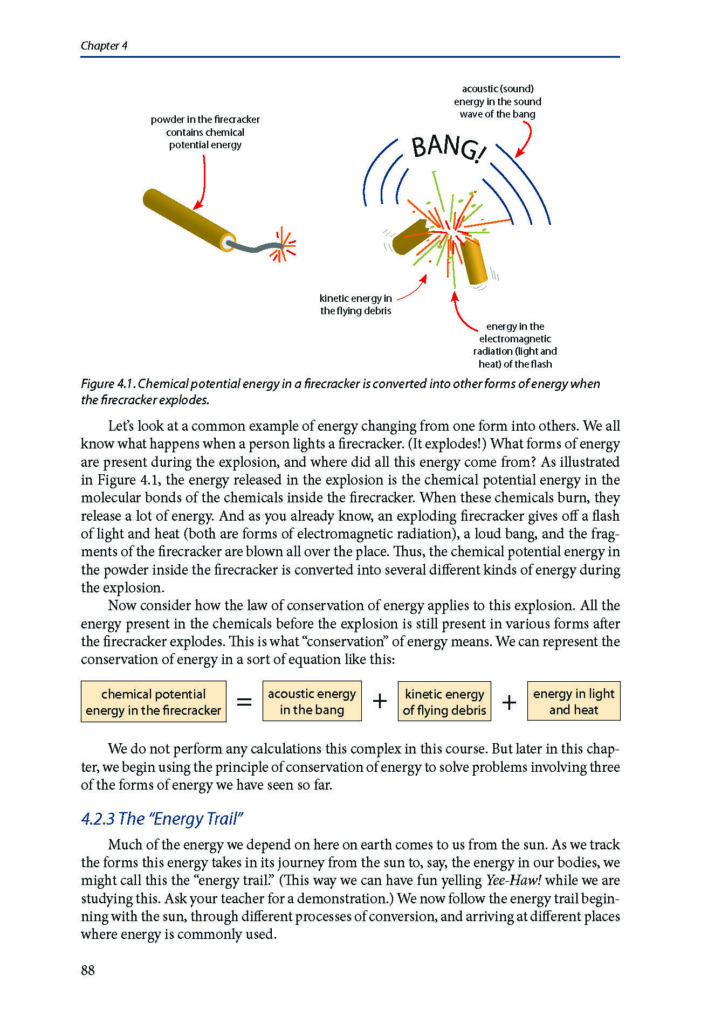
Materials on the Digital Resources support the mastery-oriented pedagogy with cumulative weekly quizzes and review guides that continuously brings students back in contact with material from prior chapters. Known to some as a “spiral” method, we do more just remind students of older content — IPP has students work those skills and rehearse those ideas to aid in long-term retention.

Historical sections are placed in the flow of the text, not in a sidebar where it can be ignored. Epistemological discussion (the nature of scientific knowledge) is something you won’t find elsewhere. And a good preparation for future science courses and career requires an accurate facility with technical communication, both verbal and written.

Read more about our textbook philosophy for details about our unique approach to textbook design.

There is no Teacher’s Edition: everything needed can be found in the text, the Digital Resources, and the Experiment Manual. See the optional Solutions Manual for worked out exercises.

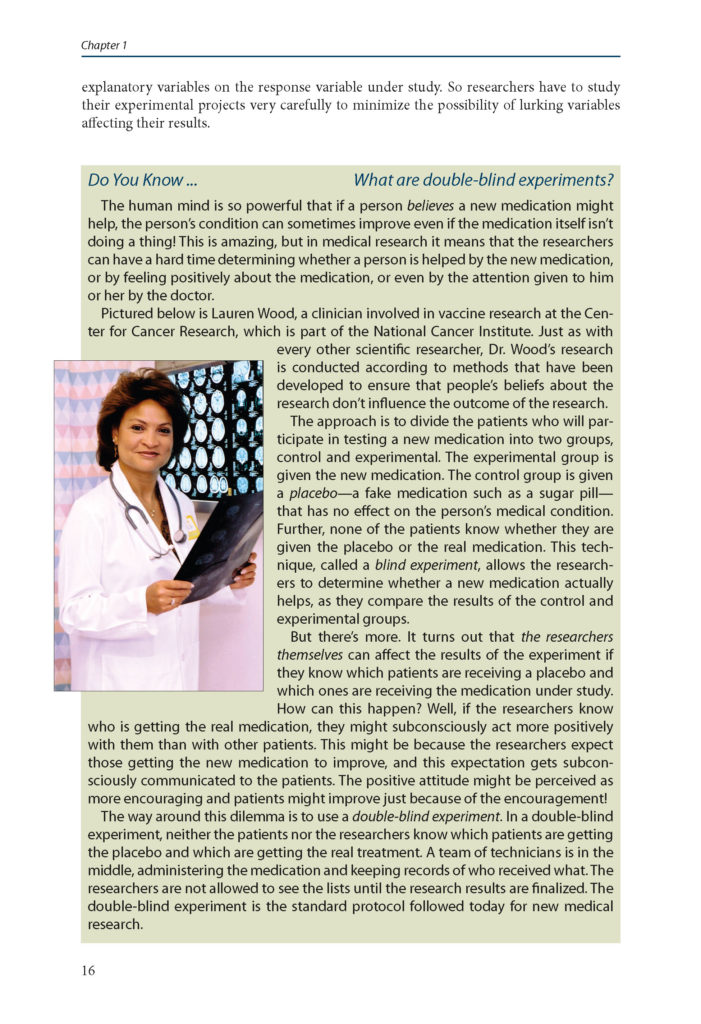
Student instructions for five complete laboratory experiments are included in the appendix. Teachers instructions are included in the supplemental book, Experiments for Introductory Physics and ASPC. Be sure to get students The Student Lab Report Handbook as a guide to preparing premier lab reports after their lab experiments.
Additional information

Weight 2 lbs
ISBN

Cover

Binding

Dimensions

Pages

Author

Table of Contents

Preface

A Different Textbook Philosophy

Major Emphases

Mastery

Integration

Wonder

Learning vs. Not Learning

Skills and Prerequisites

Optional Chapter Content

Assignments, Homework and the Weekly Workload

Experiments and Experimental Error

Preface for Students

Chapter 1: The Nature of Scientific Knowledge

What is Truth and How Do We Know It?

Propositions and Truth Claims

Truth and Scientific Claims

Truth vs. Facts
Science

Theories

Hypotheses

Experiments

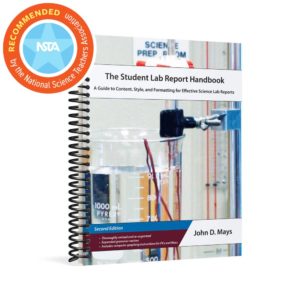
The Scientific Method, Experimental Variables and Controls

Chapter 2: Motion and the Medieval Model of the Heavens

Computations in Physics

MKS Units

Converting Units of Measure

Accuracy and Precision

Significant Digits

Scientific Notation

Problem Solving Methods

Motion, Velocity, and Acceleration

Example Problem

Science History and the Cycle of Scientific Enterprise

The Medieval Model of the Heavens

From Ptolemy to Einstein via Copernicus

Chapter 3: Newton’s Laws of Motion

Matter, Inertia, Mass and Force

Newton’s Laws of Motion

Actions and Reactions

Showing Units of Measure in Computations

Weight

Applying Newton’s Laws of Motion

How a Rocket Works

Chapter 4: Energy

What is Energy?

The Law of Conservation of Energy

Mass-Energy Equivalence

Forms of Energy

Energy Transfer

The “Energy Trail”

Energy “Losses” and Equivalency

Calculations With Energy

Work

Applying Conservation of Energy

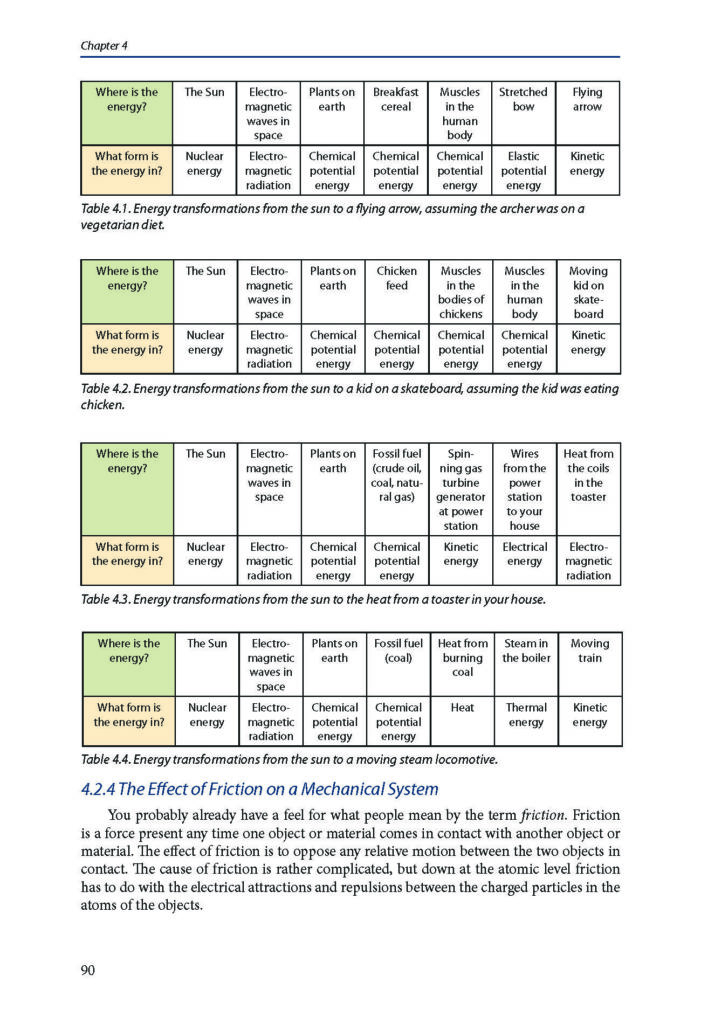
The Effect of Friction on a Mechanical System

Energy in the Pendulum

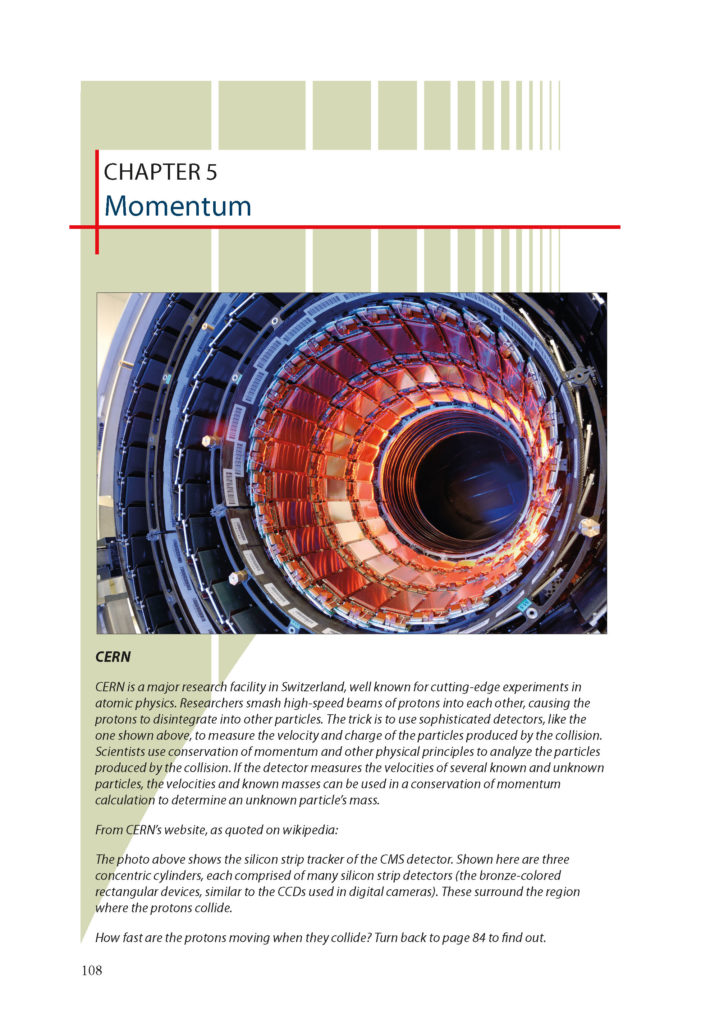
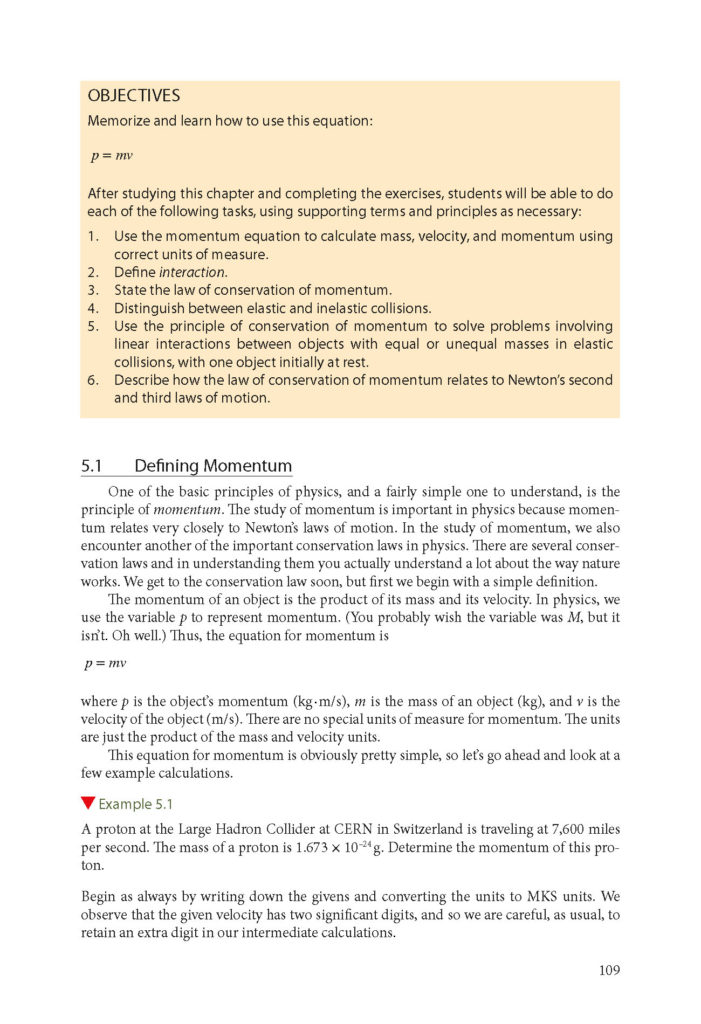
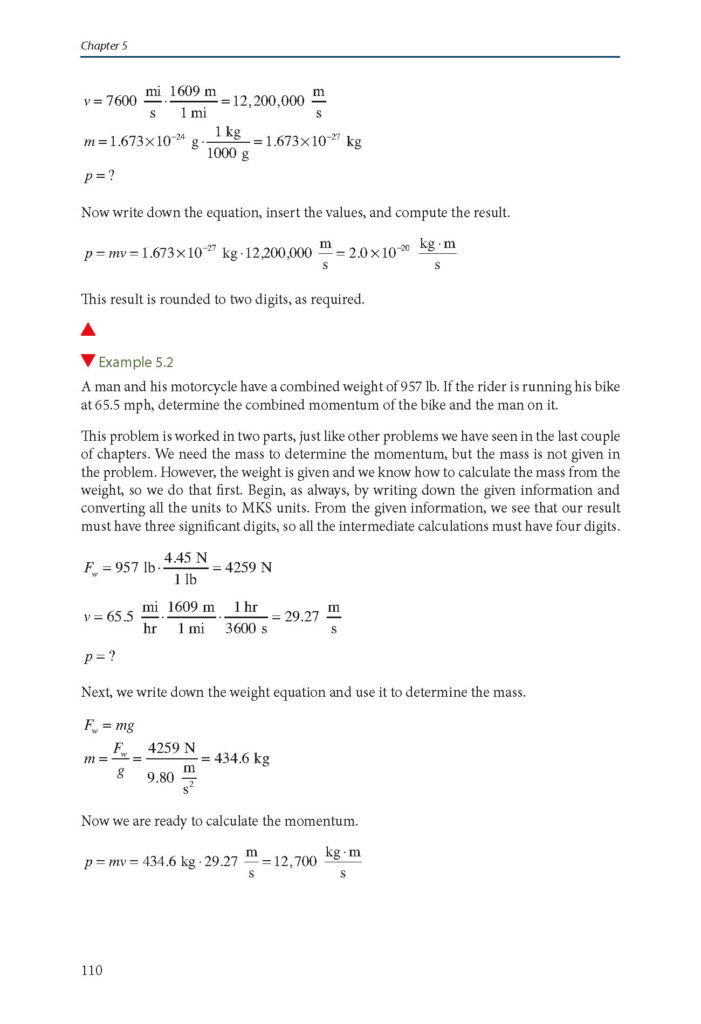
Chapter 5: Momentum

Conservation of Momentum

The Directionality of Momentum

Solving Problems with Conservation of Momentum

Momentum and Newton’s Laws of Motion

Chapter 6: Atoms, Matter and Substances

Atoms and Molecules

The History of Atomic Models

The Bohr and Quantum Models of the Atom

Calculations with Volume

Density

Types of Substances

Phases of Matter

Evaporation

Sublimation

Chapter 7: Heat and Temperature

Temperature Scales

Temperature Unit Conversions

Heat and Energy Terminology

Heat Transfer Processes

The Kinetic Theory of Gases

Specific Heart Capacity

Thermal Conductivity

Distinguishing Between Specific Heat Capacity and Thermal Conductivity

Chapter 8: Pressure and Buoyancy

Pressure Under Liquids and Solids

Air Pressure and Barometers

Absolute Pressure and Gauge Pressure

Archimedes’ Principle of Buoyancy

Flotation

Chapter 9: Waves, Sound, and Light

The Anatomy of Waves

Categorizing Waves

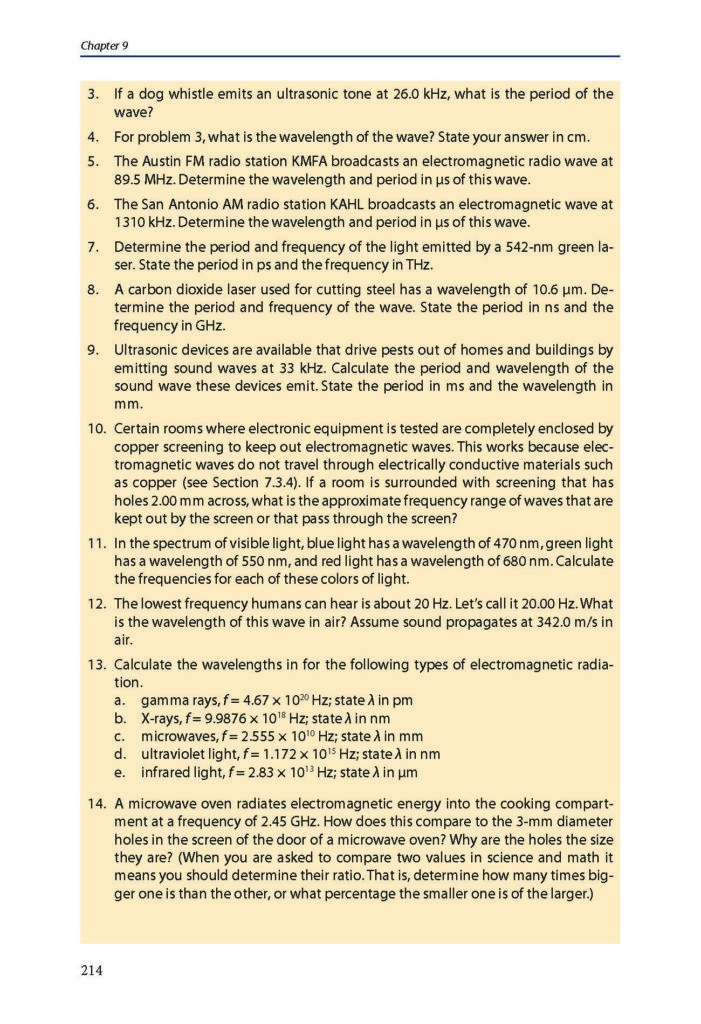
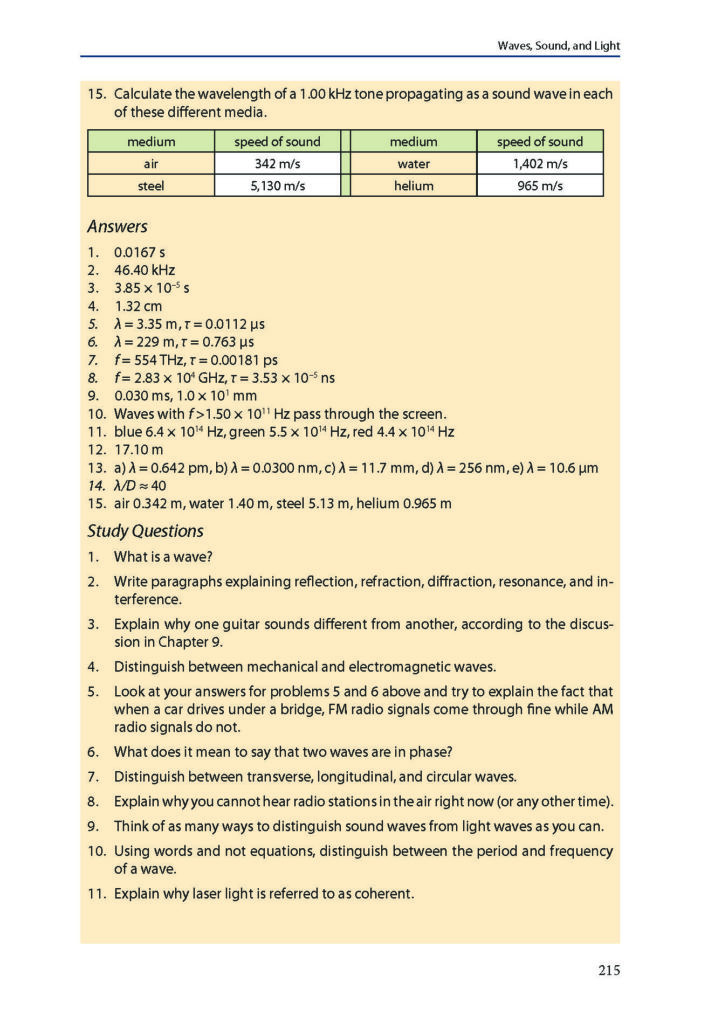
Wave Calculations

Wave Phenomena

Sound Waves

Frequencies of Sound Waves

Loudness of Sound

Connections Between Scientific and Musical Terms

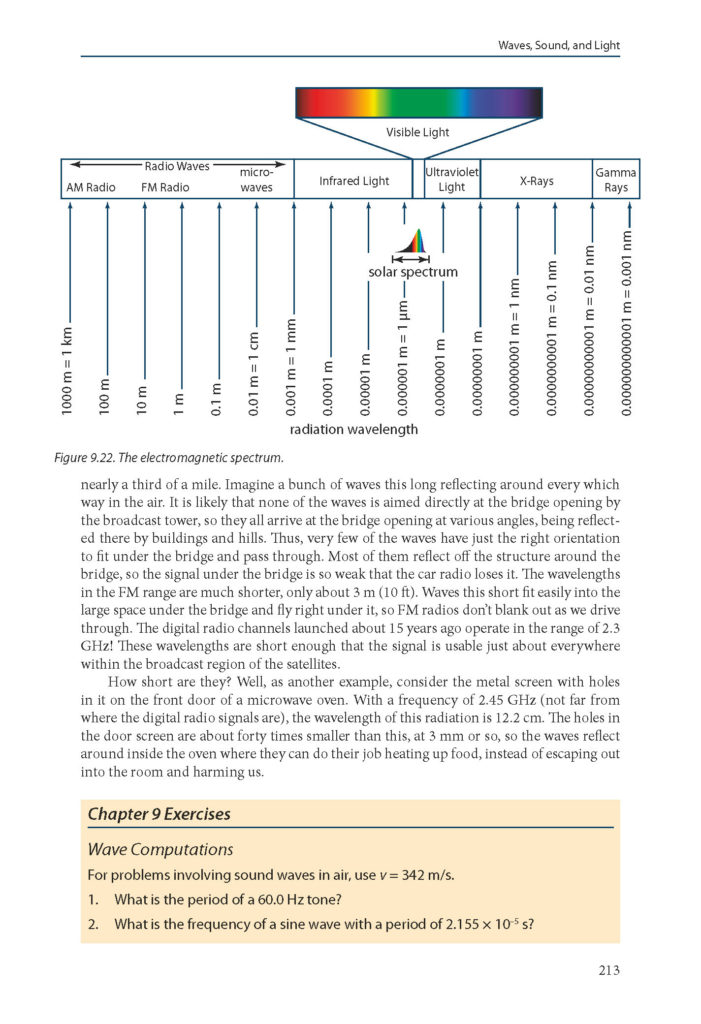
The Electromagnetic Spectrum and Light

Harmonics and Timbre

Chapter 10: Introduction to Electricity

The Amazing History of Electricity

Charge and Static Electricity

How Static Electricity Can Form

Electric Current

Why Electricity Flows So Easily in Metals

Chapter 11: DC Circuits

Electric Current

The Water Analogy

The Basic DC Electric Circuit

Two Secrets

Electrical Variables and Units

Ohm’s Law

What Exactly Are Resistors and Why Do We Have Them?

Through? Across? In?

Voltages Are Relative

Power in Electrical Circuits

Tips on Using Metric Prefixes in Circuit Problems

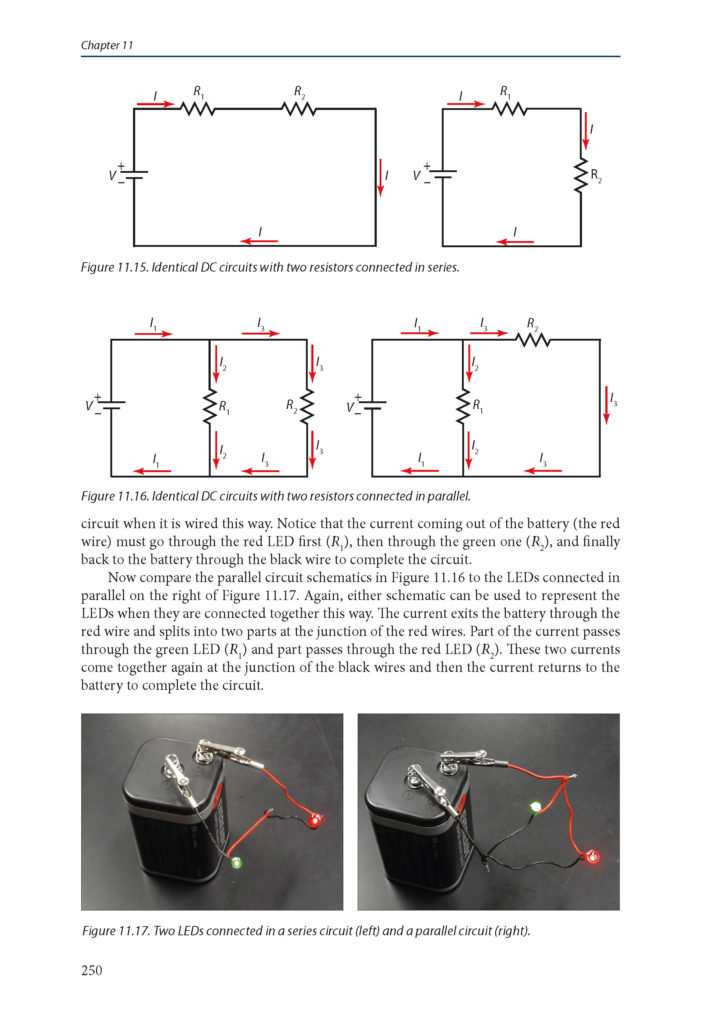
Two-Resistor Networks

Equivalent Resistance

Significant Digits in Circuit Calcculations

Larger Resistor Networks

Kirchoff’s Laws

Putting it All Together to Solve DC Circuits

Chapter 12: Fields and Magnetism

Types of Fields

Laws of Magnetism

The Right-Hand Rule

Electromagnets

Generators and Transformers

Chapter 13: Geometric Optics

Ray Optics

Human Image Perception

Flat Mirrors and Ray Diagrams

Real and Virtual Images

Concave and Convex Optics

Notes About Approximations

Spherical Mirrors

The Mirror Equation

Light Through a Lens

Single-Lens Applications

The Lens Equation

Multiple-Lens Systems

Imaging with the Eye

Appendix A: Conversion Factors, Prefixes, and Physical Constants

Appendix B: Chapter Equations and Objectives Lists

Appendix c: Laboratory Experiments

Appendix D: Scientists Required for Cumulative Review

Appendix E: References

Appendix F: Photo Credits

Index

Sample Pages

You may also like…